

Skin Care
Skin disorders vary greatly in symptoms and severity. They can be temporary or permanent, and may be painless or painful. Some have situational causes, while others may be genetic. Some skin conditions are minor, and others can be life-threatening. It is a part of the treatment of wound healing, radiation therapy and some medications.
Skin care is the range of practices that support skin integrity, enhance its appearance and relieve skin conditions. They can include nutrition, avoidance of excessive sun exposure and appropriate use of emollients. Practices that enhance appearance include the use of cosmetics, botulinum, exfoliation, fillers, laser resurfacing, microdermabrasion, peels, retinol therapy. Skin care is a routine daily procedure in many settings, such as skin that is either too dry or too moist, and prevention of dermatitis and prevention of skin injuries.
Common Skin problems
Atopic eczema
Atopic eczema, also known as atopic dermatitis, is the most common form of eczema and makes your skin itchy, red, dry and cracked.
It's a long-term condition in most people, although it can improve over time, especially in children, who often grow out of it.
It can affect any part of the body, but most commonly affects:
- The backs or fronts of the knees
- Outside or inside the elbows
- Around the neck, hands, cheeks or scalp
Cold Sores
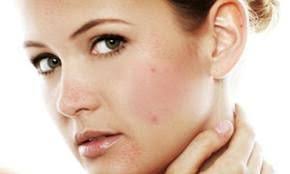
Cold sores are small blisters that develop on the lips or around the mouth, caused by the herpes simplex virus.
They often start with a tingling, itching or burning sensation around your mouth. Small fluid-filled sores then appear, usually on the edges of your lower lip.
Cold sores usually clear up without treatment within 7 to 10 days, but antiviral creams are available from pharmacies over the counter. These can help ease your symptoms and speed up the healing time.
Hives (Urticaria)
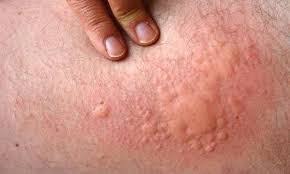
Urticaria – also known as hives, weals, welts or nettle rash – is a raised, itchy rash. It may appear on one part of the body or be spread across large areas.
In many cases, you don't need any treatment because the rash gets better within a few days.
If the itchiness is uncomfortable, antihistamines can help and are available over the counter at pharmacies.
Impetigo

Impetigo is a very contagious skin infection that causes sores and blisters. There are two types:
non-bullous impetigo – typically affects the nose and mouth
bullous impetigo – typically affects the trunk
It's more common in children, but can affect anyone.
The infection is likely to clear up by itself within three weeks, but it's a good idea to see your GP for a diagnosis as the symptoms are similar to other, more serious conditions.
Itching
Itching can affect any area of the body. Mild, short-lived itching is common, but it can sometimes be severe and frustrating to live with.
There are things you can do that may help, including:
- Patting or tapping the itchy area, rather than scratching
- Cooling the area with a cold compress, such as a damp flannel
- Bathing or showering in cool or lukewarm water
- Using unperfumed personal hygiene products
- Avoiding clothes that irritate your skin, such as wool or man-made fabrics
- Using a moisturiser if your skin is dry or flaky
Psoriasis
Psoriasis typically causes flaky red patches of skin covered in silver scales. The patches usually appear on the elbows, knees and the lower back, and can be itchy or sore.
For some people, psoriasis is just a minor irritation, but for others it can have a major impact on their quality of life.
People with psoriasis usually have periods when they have no or mild symptoms, followed by periods when symptoms are more severe.
Most people are treated by their GP, but you may be referred to a skin specialist called a dermatologist if your psoriasis is severe.
Although there is no cure for psoriasis, treatments can improve your symptoms. They include:
- Creams and ointments
- Treatment with light (phototherapy)
- Medication taken by mouth or injection
Ringworm
Ringworm is not a worm, but a contagious fungal infection that typically appears on the arms and legs, although it can appear almost anywhere on the body. It causes a red or silvery scaly rash in the shape of a ring.
Anyone can get ringworm, but it's more common in children.
You can treat ringworm with antifungal creams, powders or tablets, which are available over the counter from a pharmacy.
You may need to see your GP if you aren't sure it's ringworm, or if the infection doesn't clear up after using a pharmacy treatment for two weeks.
Scabies
Scabies is a contagious skin condition caused by tiny mites that burrow into the skin. The main symptoms are intense itching that gets worse at night, and a rash of tiny red spots.
See your GP if you think you have scabies. It's not usually serious, but treatment – normally a cream or lotion – is needed to kill the scabies mites.
Vitiligo
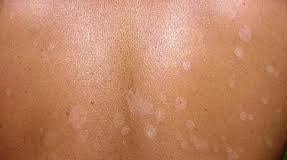
Vitiligo causes pale white patches on the skin that vary in size and can occur anywhere.
They are more noticeable on areas that are exposed to sunlight, such as the face and hands, and on dark or tanned skin. Vitiligo on the scalp can make your hair go white.
Vitiligo is a long-term condition. It's not contagious. You should see your GP to if you suspect vitiligo.
Treatment aims to improve your skin's appearance, and includes:
- Disguising the patches with coloured creams
- Steroid creams
- Treatment with light (phototherapy)

Warts and verrucas
Warts are small lumps that can appear anywhere, but usually affect the hands and feet. A wart on the foot is called a verruca.
Most warts are harmless and clear up without treatment, but you might decide to treat your wart if it's painful, or if it's causing discomfort or embarrassment.
Treatments include:
- Salicylic acid
- Freezing the wart (cryotherapy)
- Duct tape
- Chemical treatments
Know Your Skin Type
- Dry skin is flaky, scaly, or rough.
- Oily skin is shiny, greasy, and may have big pores.
- Combination skin is dry in some spots (cheeks) and oily in others (forehead, nose, and chin).
- Sensitive skin may sting, burn, or itch after you use some makeup or other products.
- Normal skin is balanced, clear, and not sensitive.